Understanding Nutrition Through Food

An educational exploration of how natural food sources provide essential nutrients for daily health. This resource explains the science of nutrition without prescribing individual recommendations.

Educational content only. No promises of outcomes.

Fresh healthy foods including vegetables, fruits, nuts, and seafood

Daily Nutrient Intake Overview

What Are Macronutrients and Micronutrients?

Food contains various chemical compounds that our bodies require for normal function. These compounds are categorized into two main groups: macronutrients and micronutrients. Understanding their roles helps explain why nutritional diversity matters in everyday eating habits.

Macronutrients include proteins, carbohydrates, and fats. These provide energy and form structural components. Micronutrients are vitamins and minerals needed in smaller quantities but serve critical functions in metabolic processes, immune response, and tissue maintenance.

Different foods contain different combinations and concentrations of these substances. A varied diet naturally provides a spectrum of nutrients that support general wellbeing through ordinary eating patterns.
Natural Vitamin-Rich Foods Explained

How Vitamins Exist in Food

Vitamins are organic compounds produced by plants and animals. In food, they occur naturally as part of the plant or animal tissue. Unlike synthesized forms, food-based vitamins come packaged with fiber, enzymes, and other compounds that scientists continue to study.

Different foods accumulate different vitamins based on soil conditions, climate, and plant genetics. A tomato grown in one region may have different nutrient levels than one from another region. This variability is normal and reflects the complexity of natural food systems.

Sources of Common Vitamins in European Cuisine

  • Vitamin C: Found in citrus fruits, bell peppers, and leafy greens
  • Vitamin E: Present in nuts, seeds, and vegetable oils
  • B Vitamins: Located in whole grains, legumes, and leafy vegetables
  • Vitamin K: Abundant in cruciferous and leafy green vegetables
  • Folate: Found in asparagus, spinach, and broccoli
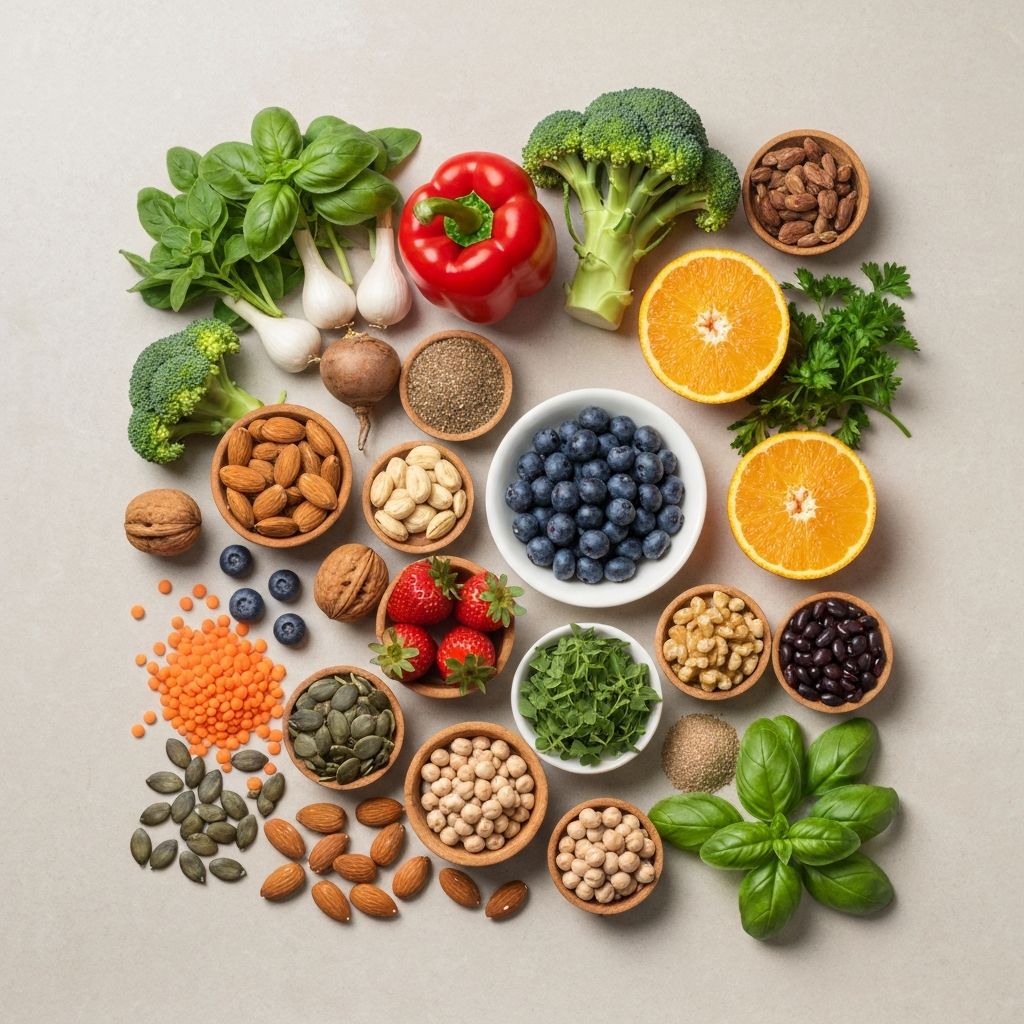
Colorful nutrient-rich foods including vegetables, fruits, and legumes

Seeds and Nuts Variety

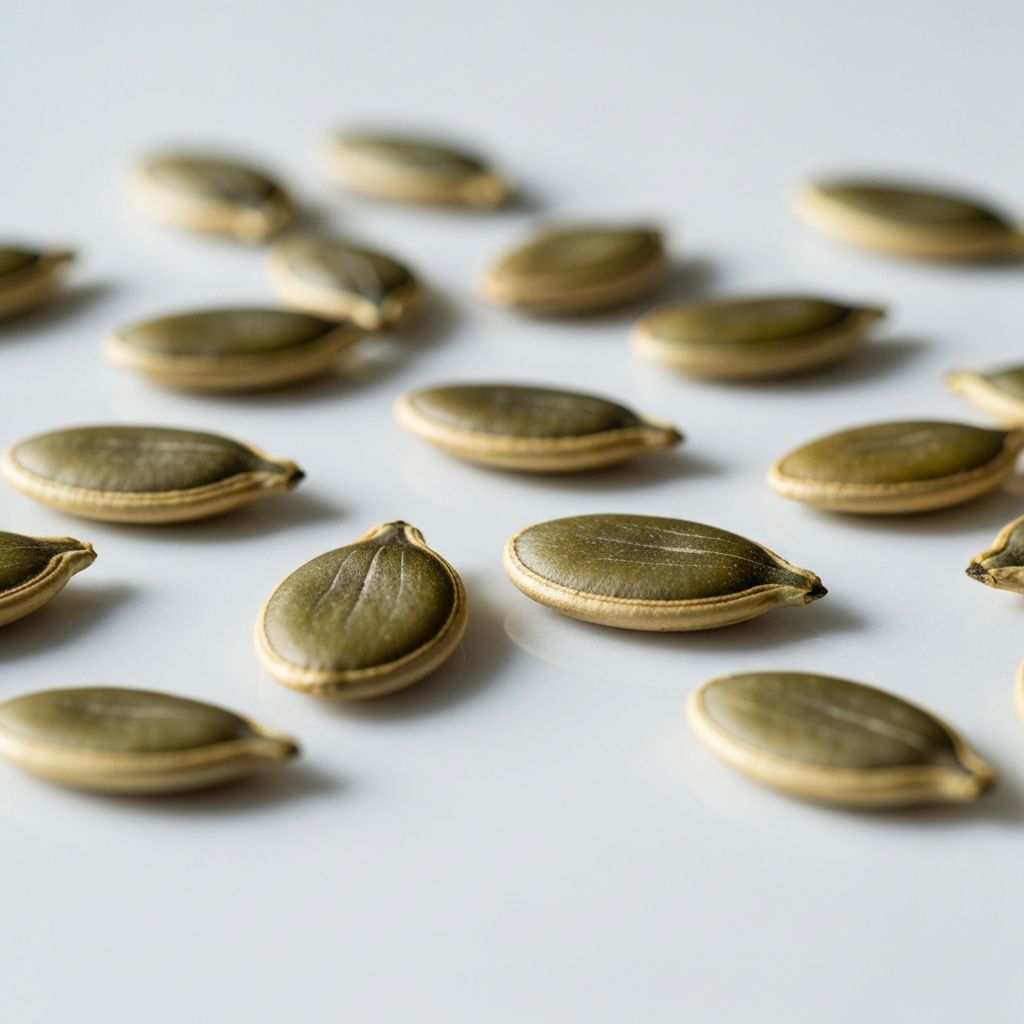
Pumpkin seeds

Pumpkin Seeds

Pumpkin seeds contain magnesium, phosphorus, and manganese. These minerals appear in research related to various metabolic processes. The seeds are commonly included in European snacking traditions and salads.

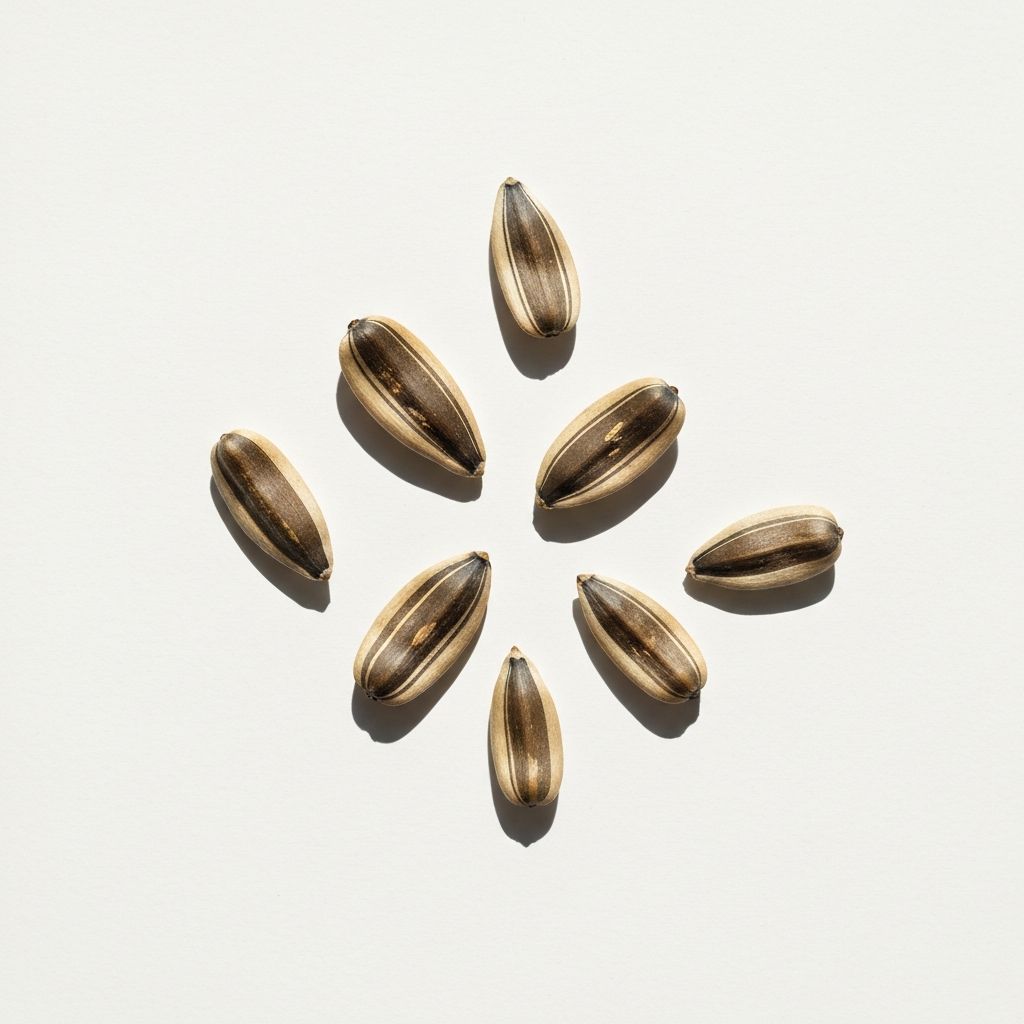
Sunflower seeds

Sunflower Seeds

Sunflower seeds are recognized sources of vitamin E and selenium. These compounds have roles in oxidative stress management according to scientific literature. They're widely used in European cuisine as snacks and ingredients.

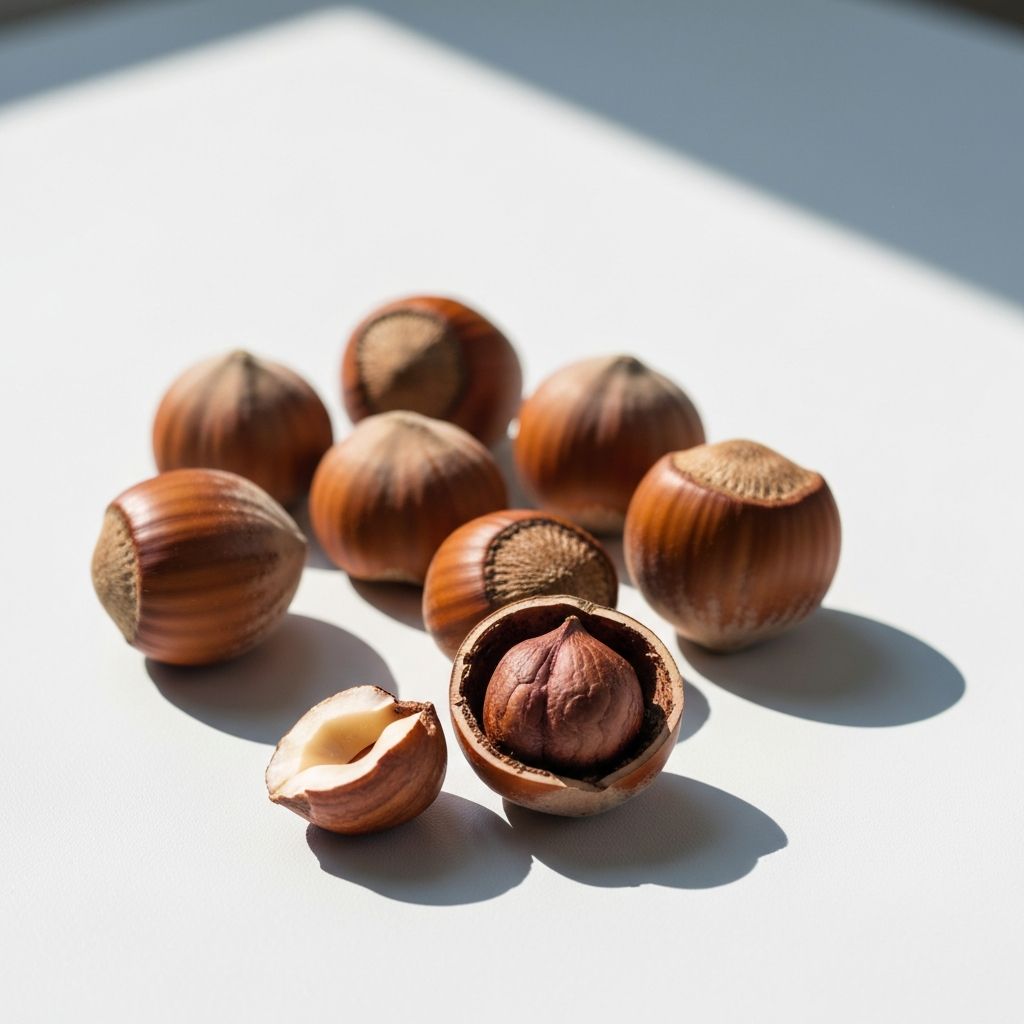
Hazelnuts

Hazelnuts

Hazelnuts provide vitamin E, copper, and manganese. Research documents their nutrient composition and their presence in Mediterranean and Central European food cultures. They contribute to dietary variety in different preparations.

Green Vegetables and Herbs

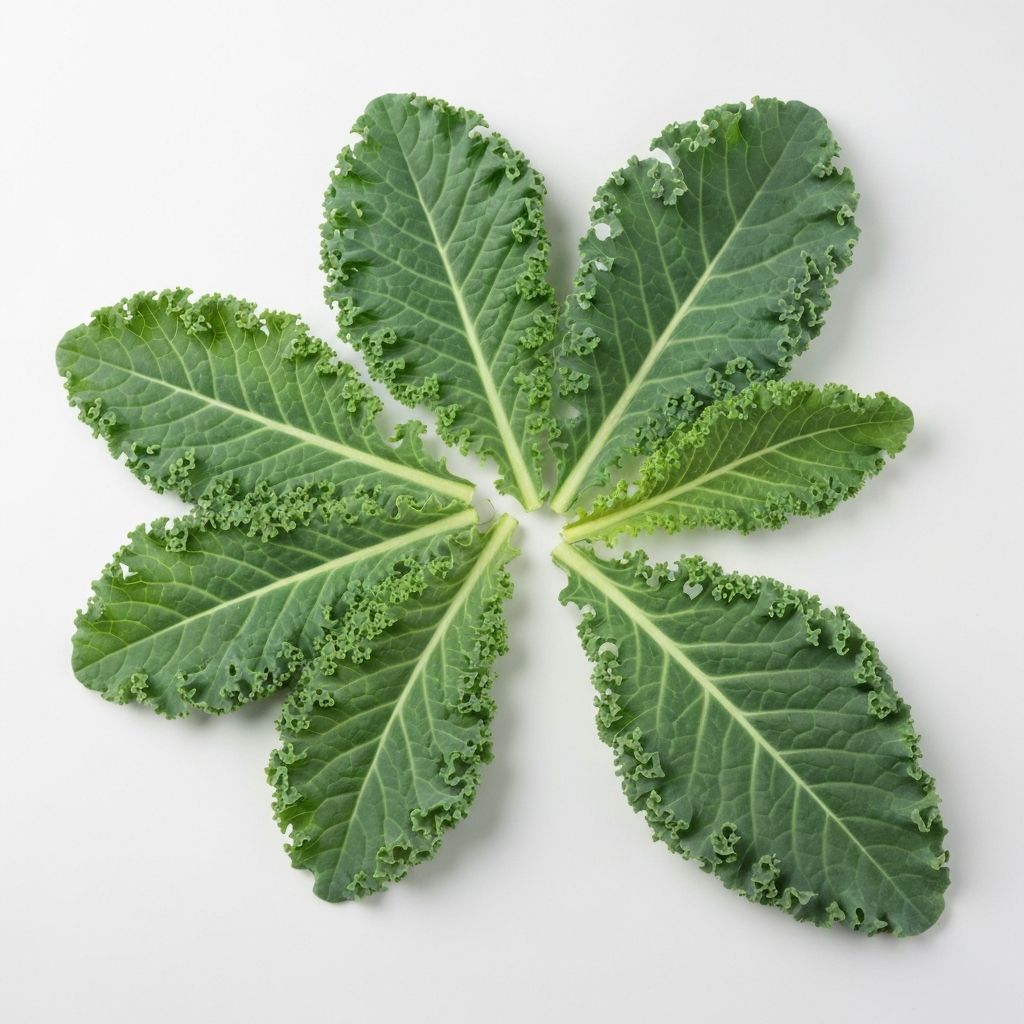
Fresh kale

Kale

Kale contains significant amounts of vitamins K, C, and A. Scientific studies document its micronutrient profile. This leafy green is integral to Northern European cuisine and increasingly popular in contemporary cooking.

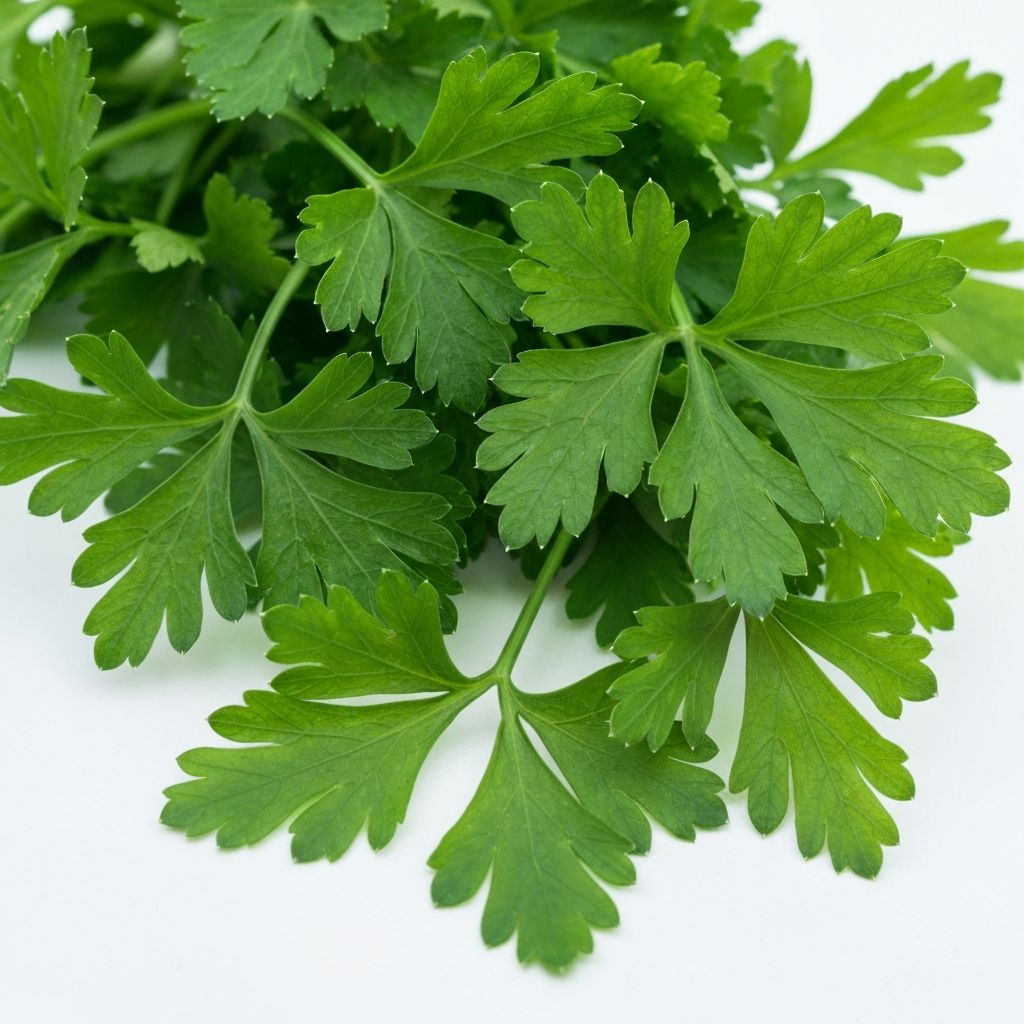
Fresh parsley

Parsley

Parsley serves as a concentrated source of vitamins K and C. Historically used throughout European cuisine, this herb contributes nutrients while adding flavor to dishes. Fresh parsley has different nutrient levels than dried varieties.

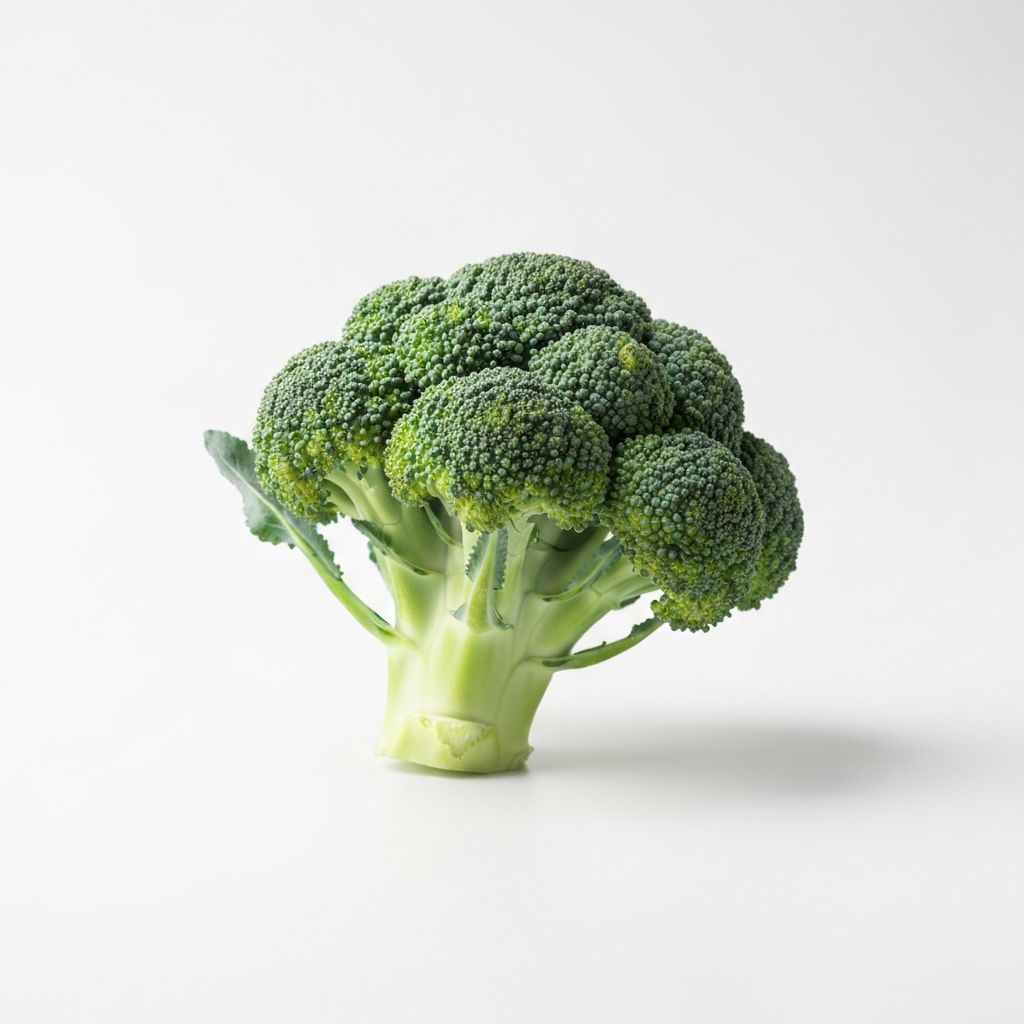
Fresh broccoli

Broccoli

Broccoli contains vitamins C, K, and folate. This cruciferous vegetable appears regularly in European nutrition guidelines. Its nutrient density and availability year-round make it a staple in varied eating patterns.

Seafood and Omega Sources

Fish as a Natural Nutrient Source

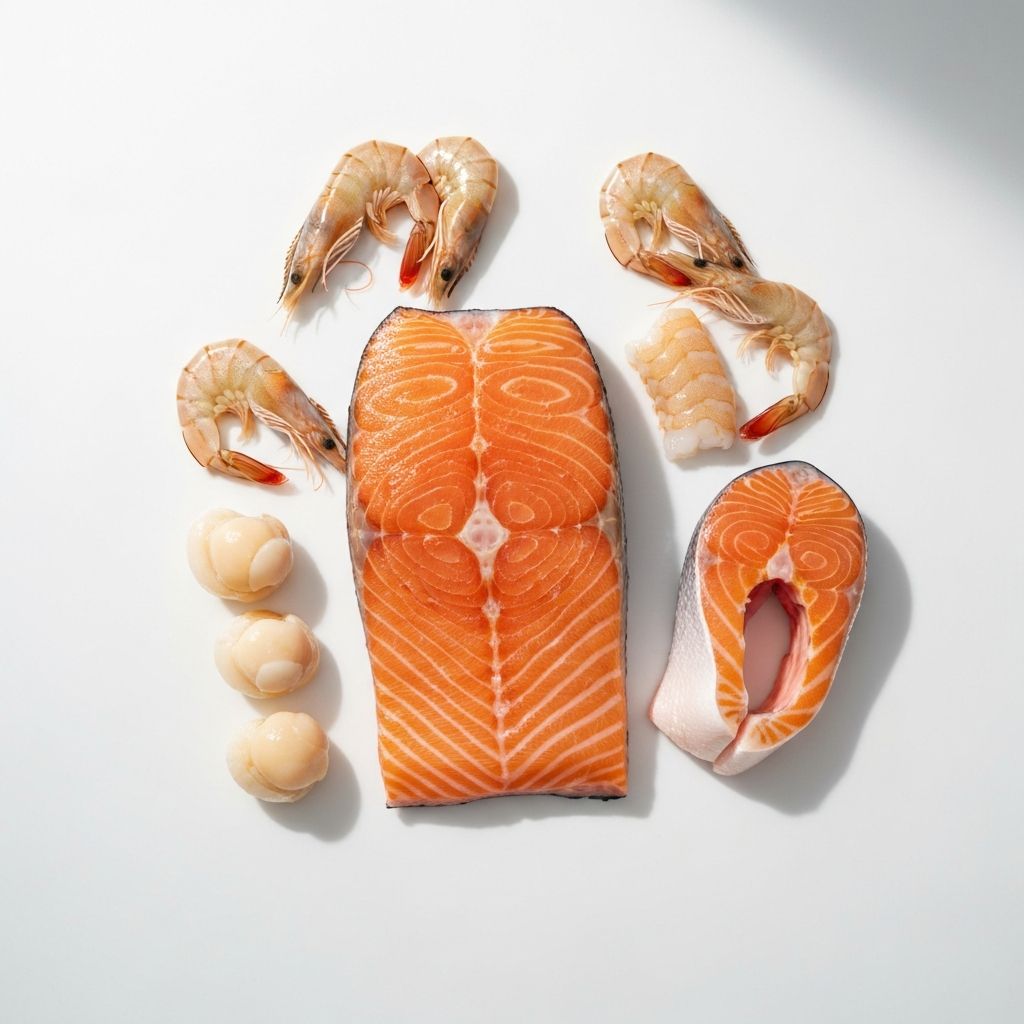
Seafood, particularly fatty fish like salmon and mackerel, contains omega-3 fatty acids. These polyunsaturated fats are studied for their roles in various physiological processes. Fish also provides vitamin D, selenium, and high-quality protein.

Research documents that populations with higher seafood consumption patterns show different health profiles. The omega-3 content in fish varies depending on species, diet of the fish, and water conditions where they were raised.

Other Natural Omega Sources

  • Flaxseeds and flaxseed oil
  • Walnuts and walnut oil
  • Chia seeds
  • Algae-based products
  • Olive oil
Fresh salmon and seafood sources

Micronutrient Interactions in Food

How Nutrients Work Together

When nutrients appear together naturally in food, they may interact in ways that affect absorption and function. For example, vitamin C enhances iron absorption, while fat-soluble vitamins require dietary fat for absorption. These interactions represent why whole foods offer complex chemical environments.

Scientists continue researching synergistic effects - how the presence of multiple compounds simultaneously affects their biological activity. Whole foods provide these combinations, whereas isolated supplements contain single compounds. Understanding these differences helps explain why nutrition from diverse food sources differs from supplementation.

Bioavailability and Food Preparation

The form in which a nutrient appears in food affects how much of it the body can actually utilize. Cooking, storage, and preparation methods alter nutrient composition. Raw, steamed, and cooked vegetables have different nutrient profiles. Fresh versus dried products vary significantly. These factors represent why preparing food in various ways contributes to nutritional diversity.

European Food Nutrient Profiles

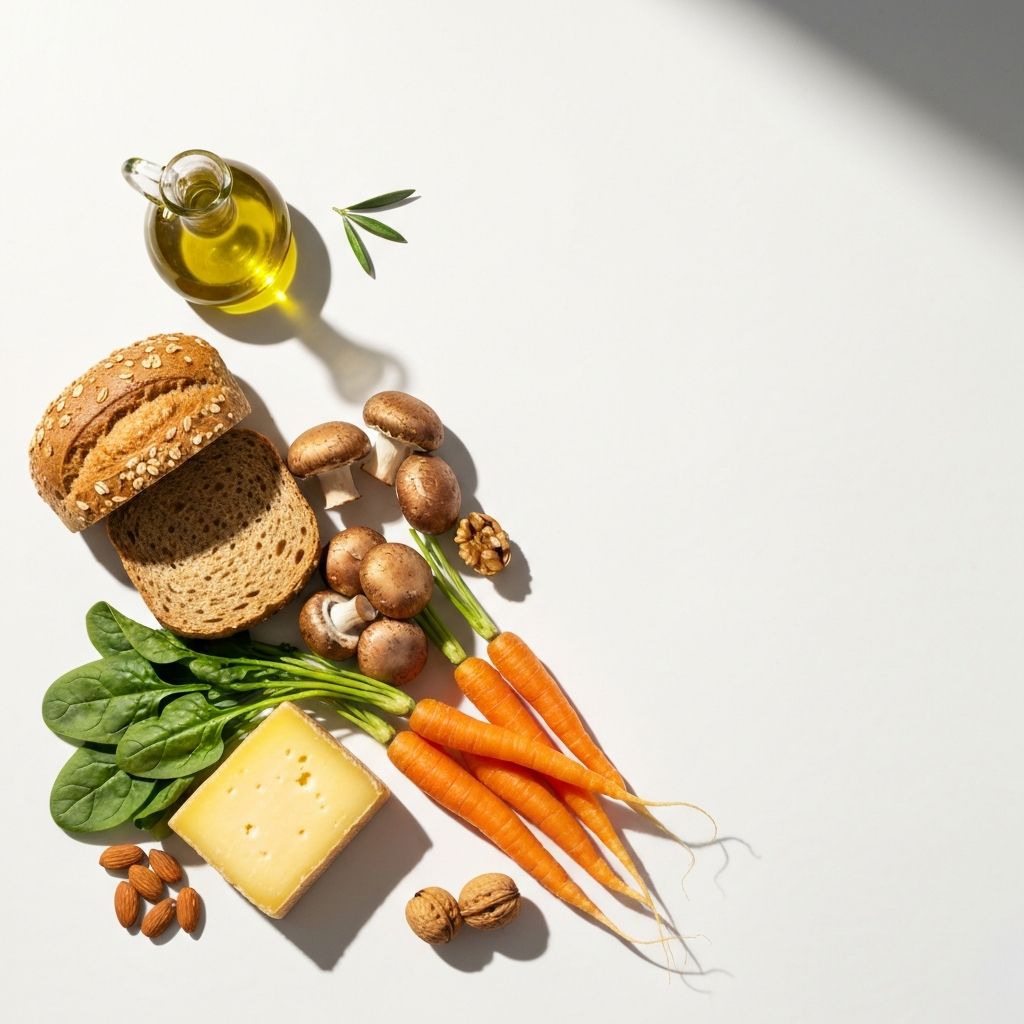
European cuisine ingredients including olive oil, whole grains, and fresh vegetables

Mediterranean and Continental Traditions

European food traditions have developed around locally available ingredients. Mediterranean regions emphasize olive oil, fresh vegetables, legumes, and seafood. Continental Europe focuses on whole grains, root vegetables, and dairy products. Each tradition naturally provides different nutrient combinations.

The Mediterranean diet pattern has been extensively studied. Research suggests that the combination of olive oil, abundant vegetables, legumes, whole grains, and moderate seafood consumption correlates with various health outcomes. This pattern exemplifies how food selection naturally creates nutritional variety.

Central and Eastern European traditions emphasize fermented foods, root vegetables, whole grains, and preservation methods that maintain nutrient stability. These patterns reflect adaptation to regional climate and agricultural conditions, creating distinct but equally varied nutritional profiles.

Storage Impact on Vitamin Stability

How Storage Conditions Affect Nutrients

Vitamins are vulnerable to degradation through exposure to light, heat, air, and time. Fresh produce loses certain vitamins gradually after harvest. Storage temperature, humidity, and duration all affect nutrient retention. A tomato stored at room temperature loses vitamin C faster than one refrigerated.

Freezing preserves nutrients effectively by halting degradation processes. Frozen vegetables often retain vitamins as well as or better than fresh vegetables stored for several days. Canned products undergo heat processing but nutrient loss depends on specific vitamins and processing methods.

Seasonal Availability and Nutrient Variation

Seasonally available produce reflects optimal growth conditions. Strawberries grown in season contain different nutrient levels than those shipped long distances. Understanding that nutrient content varies seasonally explains why eating diverse foods year-round supports varied nutrient intake, even when eating similar foods.

Diversity in Plant-Based Sources

The Importance of Variety

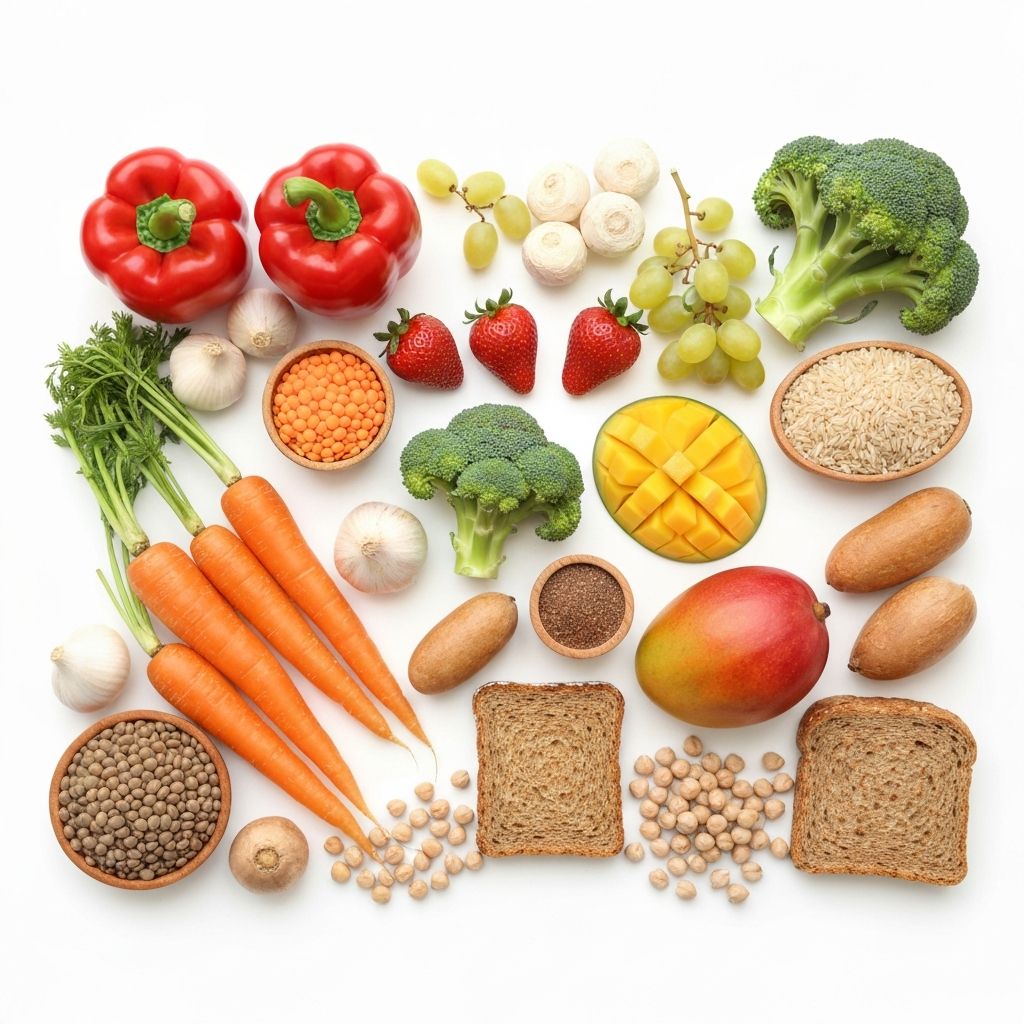
Different plant foods contain different combinations of vitamins, minerals, and phytonutrients. A carrot's nutrient profile differs from spinach, which differs from a chickpea. No single food contains all necessary nutrients in optimal amounts. This biological reality explains why nutritional science emphasizes dietary diversity.

Consuming different colored vegetables - red, orange, yellow, green, purple - naturally provides access to different phytonutrient families. Each plant family produces unique compounds with distinct roles in plant biology and potentially interesting properties when consumed.

Plant Proteins and Complementary Combinations

Plant-based proteins vary in amino acid composition. Legumes are rich in certain amino acids, grains in others. Combining different plant sources creates more complete protein profiles. Traditional food pairings like rice and beans exemplify how cultures developed combinations that improved nutritional completeness through practical experience and observation.

Common Myths About Food Nutrients

Distinguishing Facts from Claims

Nutrition information exists on a spectrum from well-researched facts to speculative claims. Some statements about food derive from scientific studies, while others reflect marketing, tradition, or misunderstanding. Evaluating sources and understanding the difference between general information and personalized advice helps contextualize nutrition discussions.

Common Misconceptions

  • Myth: One food can "fix" health. Reality: Overall eating patterns matter more than individual foods.
  • Myth: "Natural" automatically means beneficial. Reality: Toxins exist in nature; processing varies widely.
  • Myth: Nutrients in food vs. supplements are identical. Reality: Food contains complex matrices; supplements contain isolated compounds.
  • Myth: Organic always means more nutrients. Reality: Nutrient content depends on many factors beyond farming method.
  • Myth: You need special foods for health. Reality: Ordinary foods provide complete nutrition through variety.
Diverse nutritious foods illustrating variety in natural nutrition

Educational Note: This information represents general knowledge about food composition and nutrition science. It is not personalized advice, medical recommendation, or diagnosis. Individuals' nutritional needs vary based on age, health status, activity level, and many other factors. Consult healthcare providers for individual assessment and guidance.

Continue Your Learning

Explore more information about nutrition science and food composition through our other resources.

Explore More Insights